
Buyer’s Guide: Considerations for Mechanical Watches
Mechanical watches stand as timeless symbols of craftsmanship and precision, captivating enthusiasts with their intricate movements and classic design. For those considering investing in a mechanical watch, understanding key considerations before making a purchase is crucial. This guide explores essential factors to help you make an informed decision and find the perfect mechanical timepiece for your collection.
1. Understand the Movement Types
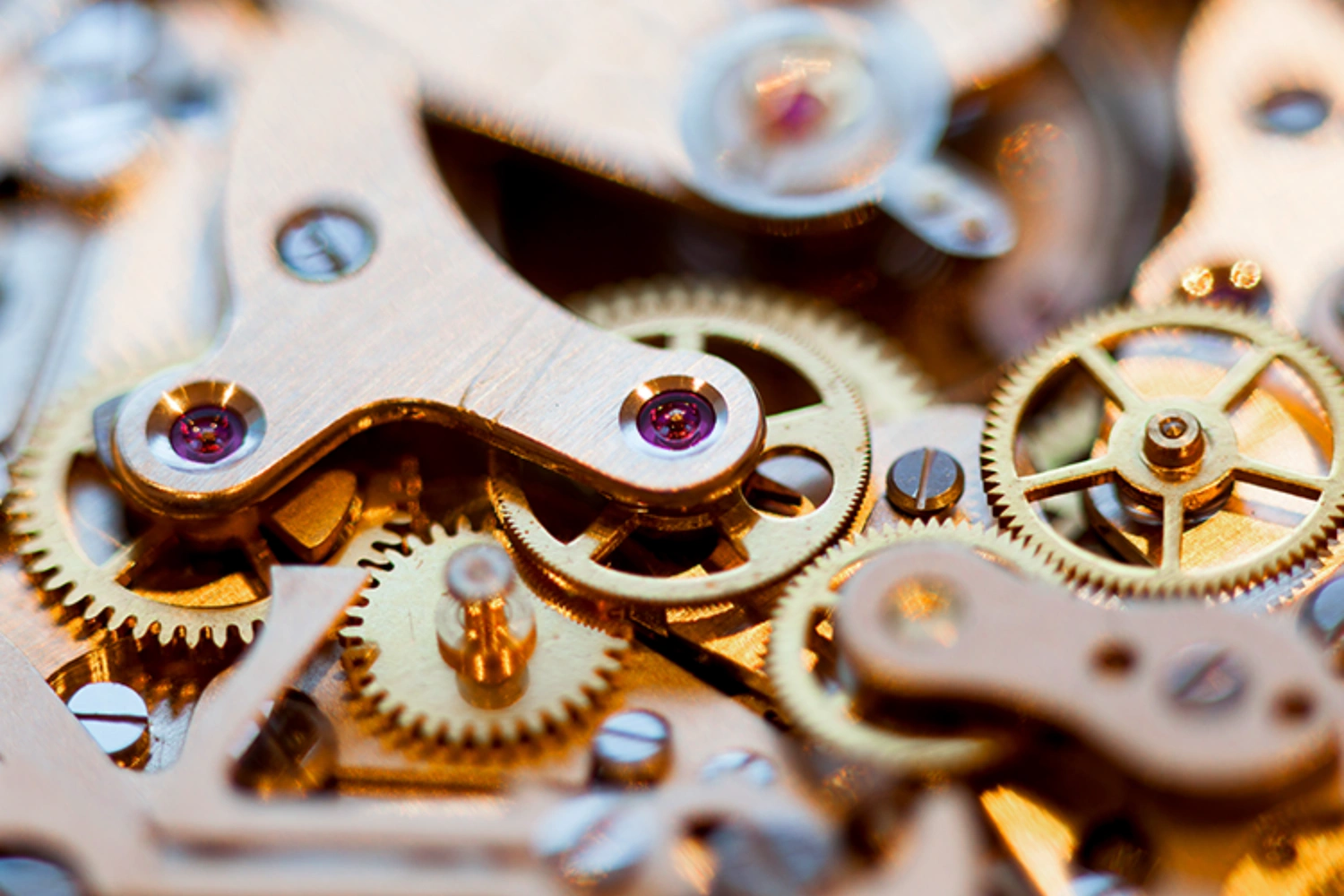
Mechanical watches operate through intricate mechanical movements, typically classified into two main types: manual and automatic.
- Manual Movements: Require daily winding via the crown to power the watch.
- Automatic Movements: Utilize the natural motion of the wearer’s wrist to wind the watch, eliminating the need for manual winding.
- Choosing between manual and automatic movements depends on personal preference for traditional craftsmanship or convenience.
2. Consider Watch Complications
Complications refer to additional functions beyond basic timekeeping, showcasing the watchmaker’s skill and enhancing functionality. Common complications include chronographs (stopwatches), calendars, moon phases, and even more complex features like tourbillons. Determine which complications align with your needs and preferences, as they can significantly impact the watch’s complexity and cost.
3. Evaluate the Brand and Reputation
Researching the brand’s history, reputation, and heritage in watchmaking is essential. Established brands often offer reliability, craftsmanship, and a warranty that ensures quality. Consider brands renowned for their innovation and longevity in the industry, as they are likely to provide lasting value and customer satisfaction.
4. Assess Materials and Build Quality
Examine the materials used in the watch case, dial, hands, and bracelet or strap. High-quality materials like stainless steel, precious metals (gold, platinum), and sapphire crystal contribute to durability and aesthetic appeal. Pay attention to details such as finishing, polishing, and craftsmanship, which reflect the watch’s overall build quality and longevity.
5. Fit and Comfort
Mechanical watches are worn daily, so ensuring a comfortable fit is crucial. Consider factors like case diameter, thickness, and strap length. Try the watch on your wrist if possible, or use dimensions provided by the manufacturer to gauge how it will feel and look when worn.
6. Budget and Pricing Considerations
Mechanical watches vary widely in price, influenced by brand prestige, materials, complications, and craftsmanship. Establish a budget based on your financial capability and desired features. Remember that while mechanical watches can be significant investments, they often appreciate in value over time, making them both functional timepieces and potential heirlooms.
7. Check for Authenticity and Certification
Ensure that the watch is authentic by purchasing from authorized dealers or reputable sources. Look for certifications such as COSC (Contrôle Officiel Suisse des Chronomètres) for chronometer-certified watches, which verify precision and accuracy. Authenticity guarantees not only quality but also the integrity of your investment.
8. Explore Customization and Personalization
Some brands offer customization options, allowing you to personalize aspects like dial design, case finish, and strap material. Customizing a mechanical watch adds a unique touch and reflects personal style preferences, enhancing the emotional connection to the timepiece.
9. After-Sales Support and Maintenance
Consider after-sales services such as warranties, servicing, and repair options offered by the brand or authorized service centers. Mechanical watches require periodic maintenance to ensure optimal performance and longevity. Understanding the brand’s support policies and service network can provide peace of mind after purchase.
Purchasing a mechanical watch involves careful consideration of movement type, complications, brand reputation, materials, fit, budget, authenticity, customization options, and after-sales support. By evaluating these factors and conducting thorough research, you can confidently select a mechanical watch that not only meets your practical needs but also reflects your personal style and appreciation for horological craftsmanship.
