
From Concept to Wrist: The Journey of a Mechanical Watch
The making of a mechanical watch is a journey that begins with the conception of the piece and ends with a finely crafted timepiece that graces the wrist of the wearer. Exploring the complex process of developing a mechanical watch prototype, this book explores the various stages from initial concept to final production, highlighting the craftsmanship, innovation and dedication required to bring these horological wonders to life.
Stage 1: Conceptualization and Design
The journey starts with an idea—an inspiration for a new timepiece that combines innovation with timeless elegance. Watch designers and engineers collaborate to sketch initial designs, considering factors such as functionality, aesthetics, and market appeal. The design phase often involves CAD (Computer-Aided Design) software to create detailed 3D models, allowing for precise visualization and adjustments before moving to the next stage.
Stage 2: Engineering and Development
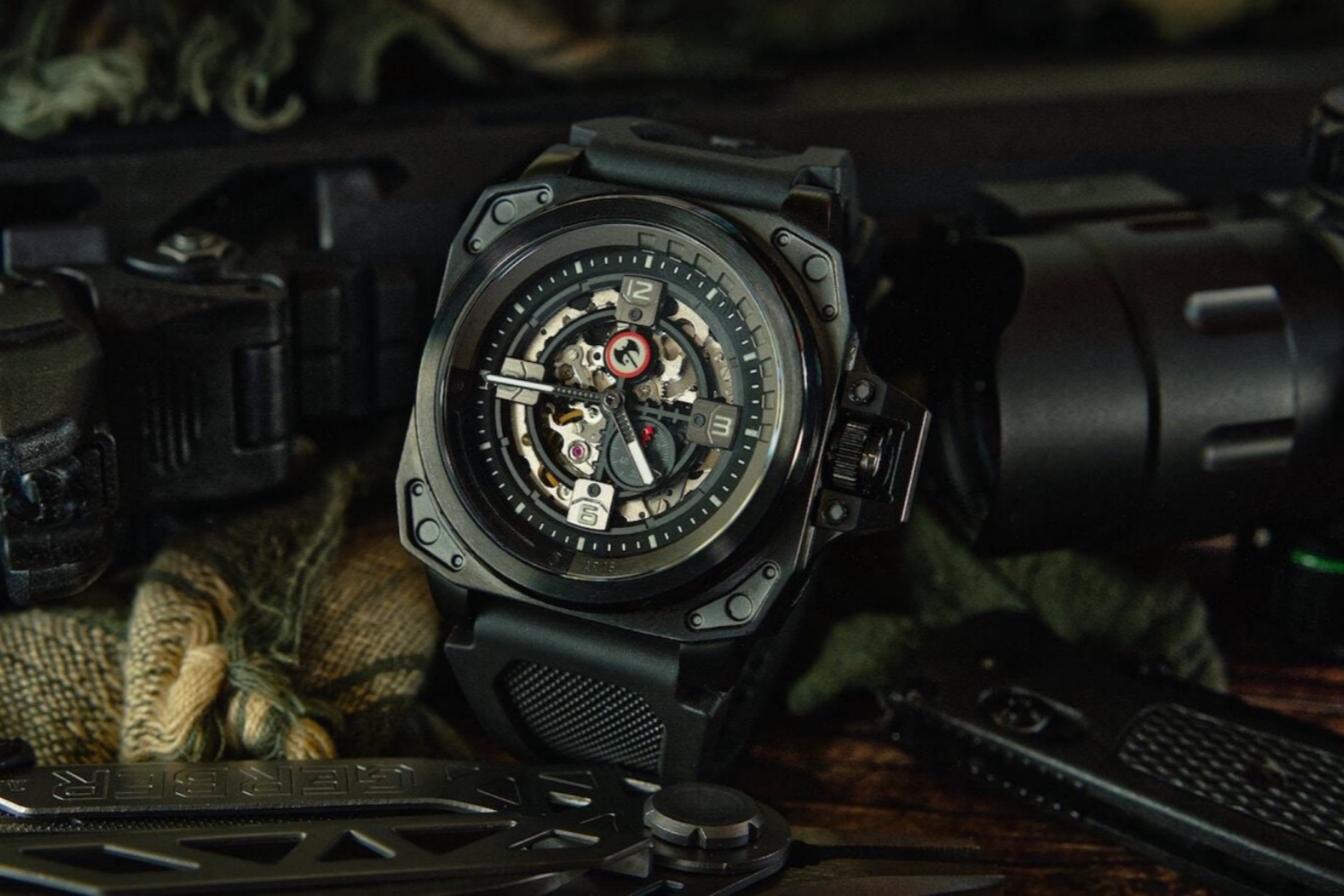
Once the design is finalized, the focus shifts to engineering the mechanical components that will power the watch. This stage requires expertise in horology, as engineers meticulously calculate gear ratios, design escapements, and select materials that ensure optimal performance and longevity. Prototyping begins with the creation of rough mock-ups and prototypes to test the functionality of the movement and validate the design’s feasibility.
Stage 3: Prototype Production
With the engineering specifications in place, skilled artisans and technicians begin crafting the first physical prototypes of the watch. This stage blends traditional craftsmanship with modern manufacturing techniques. Components such as the case, dial, hands, and movement parts are meticulously fabricated and assembled by hand, often requiring precise machining and delicate assembly to ensure smooth operation and aesthetic appeal.
Stage 4: Testing and Refinement
The completed prototypes undergo rigorous testing to assess their performance under various conditions. Timekeeping accuracy, water resistance, durability, and functionality of complications (if any) are meticulously evaluated. Feedback from testing informs further refinements to the design and engineering. This ensures that the watch meets stringent quality standards before proceeding to production.
Stage 5: Production and Assembly
Once the prototype has passed all tests and refinements, production can commence. Skilled watchmakers and technicians oversee the production process, where each component is manufactured to exacting standards. The assembly of a mechanical watch involves intricate handwork. We carefully fit, adjust, and regulate components to achieve precise timekeeping performance. This stage often incorporates final quality checks to guarantee every detail meets the brand’s standards of excellence.
Stage 6: Presentation and Market Introduction
After completing production, we are ready to present the mechanical watch prototype to the world. Brands may unveil the new timepiece at prestigious watch fairs, through exclusive events, or via digital platforms to capture the attention of collectors, enthusiasts, and the broader market. The watch’s story—from its inception as a concept to its journey through design, engineering, prototyping, and production—adds to its allure and appeal among discerning customers.
The journey of a mechanical watch prototype exemplifies the marriage of artistry, precision engineering, and dedication to craftsmanship. From the initial spark of creativity to the meticulous assembly of components and rigorous testing, each stage contributes to the creation of a horological masterpiece. As these timepieces find their way from concept to wrist, they embody the passage of time. They also reflect the culmination of human ingenuity and passion for horology.
