
How to Wear a Watch the Right Way: A Guide to Style and Comfort
Wearing a watch is more than just about telling the time—it’s about making a statement, enhancing your style, and adding sophistication to your look. To fully appreciate the impact of a timepiece, wearing it correctly is key. Whether you’re new to watches or a seasoned enthusiast, knowing how to wear a watch properly can make a world of difference in both comfort and style. Learn the essentials of wearing a watch to get the most out of your timepiece.
1. Find the Right Fit
The most important factor in wearing a watch is ensuring that it fits comfortably on your wrist. A poorly fitting watch can not only be uncomfortable but can also look out of place. The watch should sit comfortably just above the wrist bone, snug but not tight. Ideally, you should be able to slide a finger between the strap and your wrist without feeling any strain.
If the watch is too loose, it may slide down your wrist, affecting its readability and sometimes causing irritation. On the other hand, if it’s too tight, it can pinch your skin or leave an uncomfortable mark. A perfect fit ensures that the watch stays in place without any discomfort and looks polished.
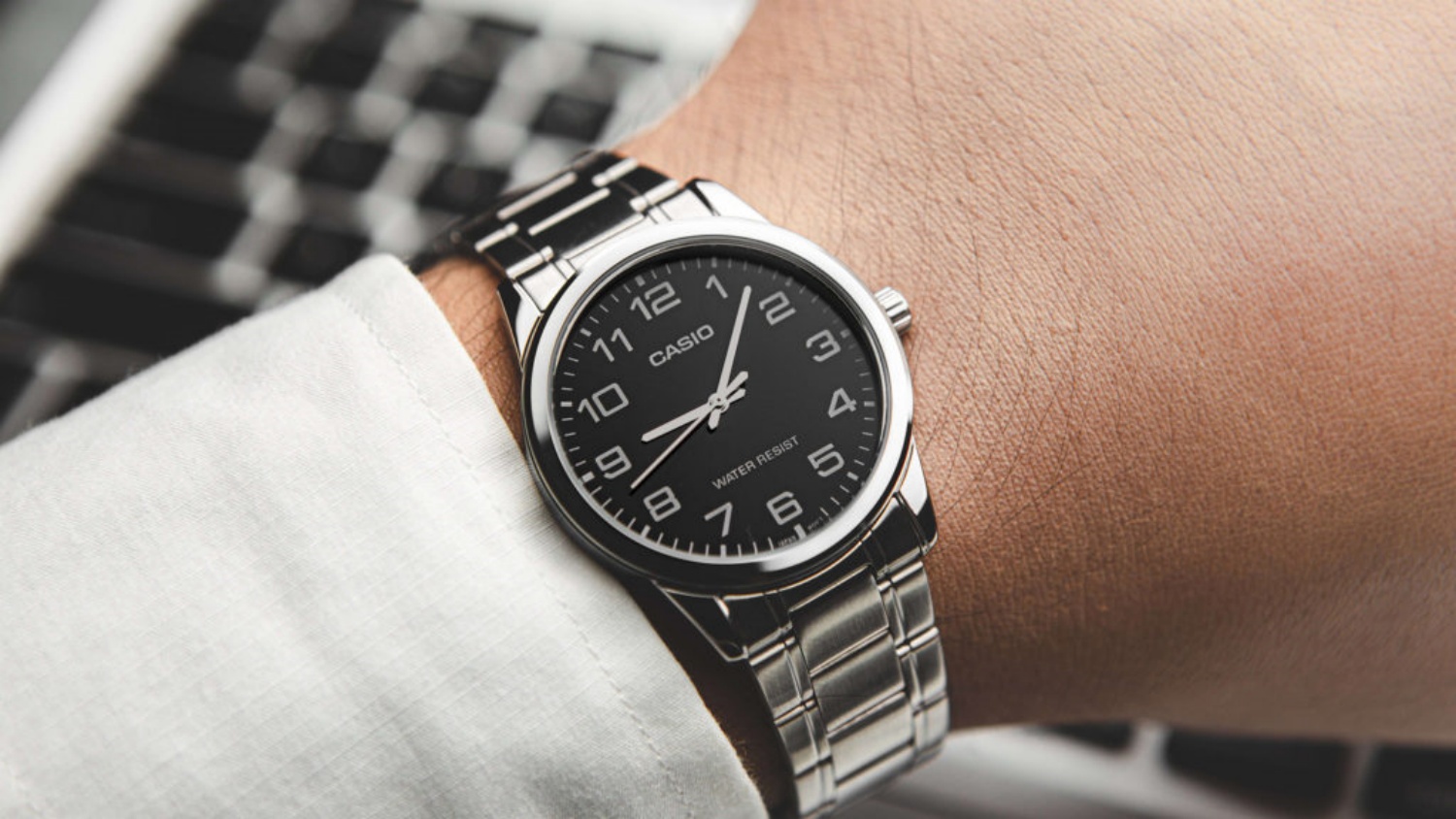
2. Consider the Wrist Size
Your wrist size plays a significant role in determining the style of watch that will complement you best. If you have a smaller wrist, it’s advisable to opt for a watch with a thinner case and a more streamlined design. Large, bulky watches can overwhelm a smaller wrist and look disproportionate.
For those with larger wrists, a watch with a wider face and larger case diameter can provide a more balanced look. It’s important to consider how the size of the watch aligns with your wrist to ensure a harmonious overall appearance.
3. Choose the Right Strap or Bracelet
The strap or bracelet of a watch can dramatically impact its look and feel. Watches typically come with a range of strap options, such as leather, metal, rubber, or fabric. Each material offers a unique aesthetic and practical benefits.
Leather straps offer a timeless, classic look, ideal for formal or business attire. They are soft and comfortable but may not be as durable in humid or wet conditions.
Metal bracelets, often stainless steel, are durable and versatile, suitable for both formal and casual settings. They can be adjusted to achieve the perfect fit and often have a more substantial, luxurious feel.
Rubber or silicone straps are perfect for sporty, active lifestyles. These straps are breathable, lightweight, and water-resistant, making them ideal for outdoor activities.
Fabric straps, such as NATO or canvas, offer a casual and relaxed aesthetic. They are often durable and can be a comfortable option for day-to-day wear.
When choosing a strap, consider not only its appearance but also its functionality in different environments. A watch should be able to transition smoothly between various settings and events, matching your outfit and the occasion.
4. Match the Watch to Your Outfit
Just like any other accessory, your watch should complement your overall look. The key is balance. A watch should never overpower your outfit, but rather enhance it in a subtle, stylish way. Here are some tips on matching your watch to different outfits:
Formal Wear: For formal occasions such as weddings, business meetings, or black-tie events, opt for a sleek, elegant timepiece with a leather strap or a minimalistic metal bracelet. A classic design with a clean dial will ensure the watch complements your formal attire without clashing.
Casual Wear: Casual outfits, such as jeans and a t-shirt, allow for more flexibility in terms of watch style. A sportier watch with a rubber or fabric strap can add an element of fun and contrast, while a classic watch with a metal bracelet can provide a more refined touch.
Business Casual: If you’re dressing for work in a business casual setting, a versatile, polished watch with a metal or leather strap works well. It strikes a balance between professional and laid-back, making it suitable for both client meetings and casual office days.
Remember, the goal is to achieve harmony, not to create an outfit that’s too “matchy-matchy.” Let your watch blend in and complete your look seamlessly.
5. Pay Attention to the Wrist Placement
Where you place the watch on your wrist can also affect your overall look and comfort. Traditionally, a watch is worn on the left wrist, but if you are left-handed, wearing it on the right wrist might be more comfortable. The key is to find a position that doesn’t interfere with daily tasks, such as writing or using a computer.
The watch should rest comfortably above the wrist bone, not too high up toward your forearm or too low toward your hand. When placing your watch, ensure that the face is aligned with the top of your wrist for the most natural positioning.
6. Know When to Remove the Watch
While it’s tempting to wear your watch everywhere, there are certain situations when it’s best to take it off. When engaging in activities that involve water or intense physical exertion, such as swimming, working out, or using heavy machinery, it’s advisable to remove your watch to prevent damage.
Some watches, especially those with water-resistant capabilities, can withstand exposure to moisture, but regular contact with water or harsh environments may compromise their longevity. Always be mindful of the conditions to protect your watch.
7. Be Mindful of the Occasion
Finally, always consider the occasion when wearing your watch. A luxury timepiece may be perfect for a formal dinner or celebratory event, but may not be the most appropriate choice for a rugged hiking trip or a day at the beach. Choose a watch that suits the event, and don’t be afraid to switch between styles based on what you’re doing.
Wearing a watch the right way isn’t just about choosing a timepiece that looks good; it’s about finding the perfect fit, matching it to your personal style, and ensuring it complements your lifestyle. By paying attention to factors such as wrist size, strap material, outfit choices, and occasion, you can make the most of your watch and elevate your overall look. Ultimately, a watch is more than just a tool for telling time—it’s a reflection of your personal style and an accessory that tells a story every time you wear it.
 How to Wear a Watch the Right Way: A Guide to Style and Comfort