
Analog vs. Mechanical: Choosing the Best Watch Type
Watches have long been more than mere timekeeping devices; they are symbols of style, craftsmanship, and personal expression. Among the myriad choices available, two types stand out: analog and mechanical watches. Each has its own charm and appeal, catering to different preferences and lifestyles. This article delves into the differences between analog and mechanical watches, helping you decide which type best suits your needs and tastes.
Understanding Analog Watches
Analog watches are characterized by their traditional display of time using hour, minute, and sometimes second hands on a dial marked with numbers or indices. These watches typically feature quartz movements, where an electrically powered quartz crystal oscillates at a precise frequency to regulate the movement of the hands. Analog watches are renowned for their accuracy, affordability, and variety of designs, ranging from classic to contemporary styles.
Exploring Mechanical Watches
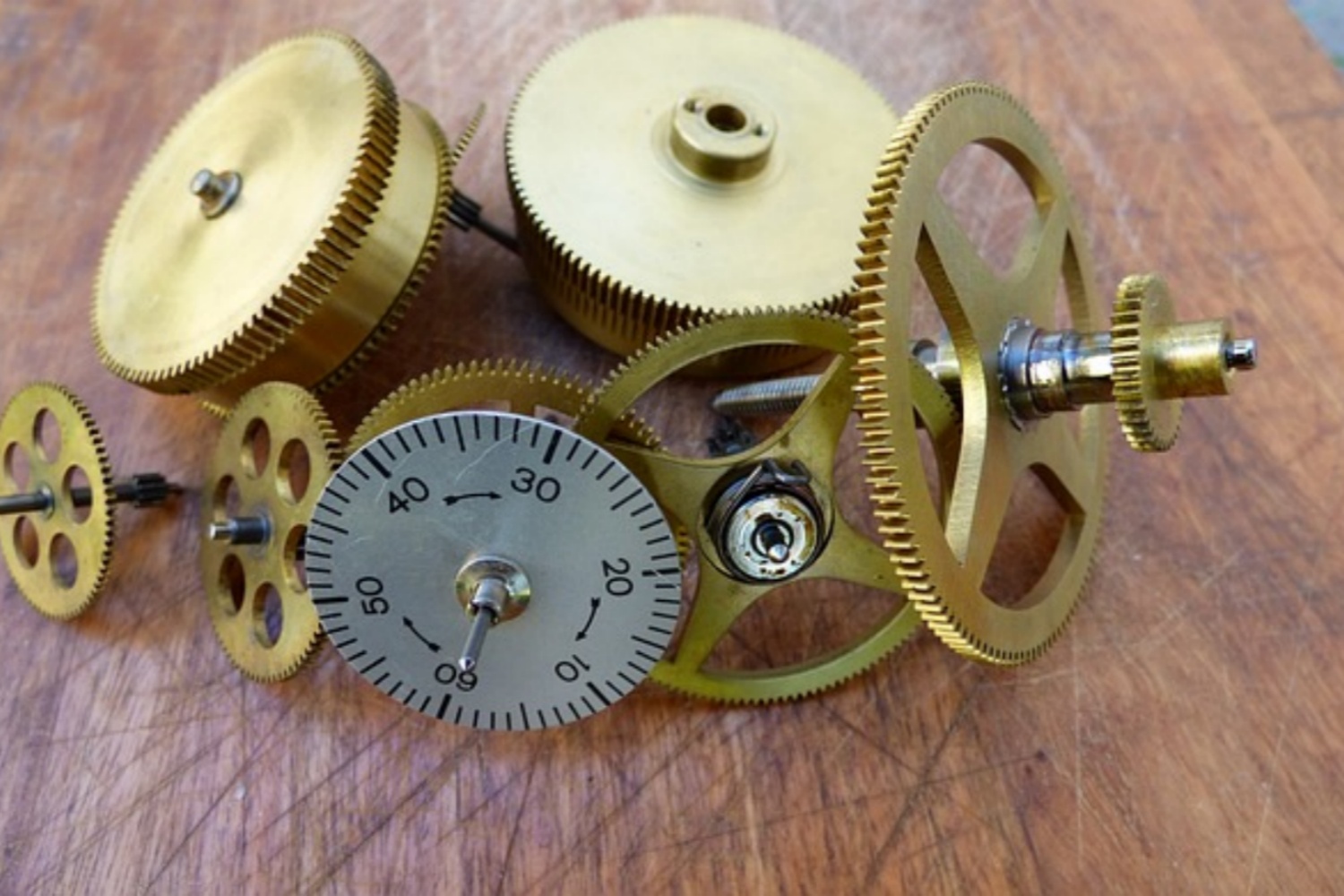
In contrast, mechanical watches operate without electricity, relying on intricate mechanical movements powered by a mainspring. These movements, often handmade and assembled with meticulous precision, capture the essence of traditional watchmaking. Mechanical watches are prized for their craftsmanship, durability, and the artistry involved in their production. They offer a unique tactile experience, with the sweeping motion of the second hand and the characteristic sound of gears turning.
Key Differences: Precision and Complexity
One of the primary differences between analog and mechanical watches lies in their movements and how they function. Analog watches, especially those with quartz movements, are renowned for their exceptional accuracy, typically losing or gaining only a few seconds per month. This precision makes them ideal for everyday use and situations where accurate timekeeping is critical.
On the other hand, mechanical watches, while inherently less accurate than quartz watches, excel in their craftsmanship and mechanical complexity. The mainspring, gears, escapement, and balance wheel work in harmony to measure time with remarkable precision, often losing or gaining a few seconds per day. Enthusiasts appreciate mechanical watches for their heritage, longevity, and the artistry of traditional watchmaking techniques.
Design and Aesthetic Appeal
In terms of design, analog watches encompass a wide range of styles, from minimalist designs with clean dials to elaborate complications such as chronographs, moon phases, and date displays. These watches cater to diverse tastes and can be found in both casual and formal settings, offering versatility and timeless elegance.
Mechanical watches, meanwhile, often emphasize classic designs that highlight their craftsmanship. Their dials may feature intricate details like guilloché patterns or skeletonized movements that showcase the intricate workings beneath. The choice between analog and mechanical often boils down to personal style preferences—whether you prefer the precise functionality of quartz or the mechanical allure of traditional watchmaking.
Practical Considerations: Maintenance and Longevity
Maintenance is another factor to consider when choosing between analog and mechanical watches. Quartz watches require minimal upkeep, typically needing a battery replacement every few years and occasional servicing to ensure optimal performance. In contrast, mechanical watches require regular winding for manual movements or benefit from daily wear to keep automatic movements powered. They also need periodic servicing by skilled watchmakers to maintain their accuracy and longevity.
The choice between analog and mechanical watches hinges on individual preferences, lifestyle, and appreciation for craftsmanship. Analog watches offer precise timekeeping and a wide range of designs suitable for various occasions. They are practical, affordable, and reliable choices for everyday use. On the other hand, mechanical watches appeal to those who value tradition, craftsmanship, and the intricate workings of a handmade timepiece. They embody a connection to horological history and offer a unique sensory experience with their mechanical movements.
Whether you prioritize accuracy and convenience or cherish the artistry and heritage of watchmaking, the decision between analog and mechanical watches ultimately reflects your personal style and values. Understanding their differences allows you to make an informed choice, ensuring that your watch not only tells time but also resonates with your sense of style and appreciation for fine craftsmanship.
